Tag: Threat Actors

Threat Actors Probe Gitea Docker Flaw CVE-2026-20896 13 Days After Disclosure
News

Threat Actors Probe Gitea Docker Flaw CVE-2026-20896 13 Days After Disclosure

Sysdig reports that threat actors have been seen trying to take advantage of a recently fixed serious security vulnerability in Gitea Docker images. The vulnerability in question, CVE-2026-20896 (CVSS score: 9.8), is caused by the DevOps platform's reliance on the "X-WEBAUTH-USER" header from any originating IP address, hence granting elevated access to an unauthenticated internet client. Security researcher Ali Mustafa (@rz1027), who is credited with finding and disclosing the vulnerability, claimed in an email to The Hacker News that the Gitea Docker images came with a "app.ini" template that hard-codes "REVERSE_PROXY_TRUSTED_PROXIES = *" by default. A key configuration file for controlling server parameters, database connections, security behavior, and application settings is the...
Multiple Threat Actors Deploying Open-Source Rafel RAT to Target Android Devices
News

Multiple Threat Actors Deploying Open-Source Rafel RAT to Target Android Devices

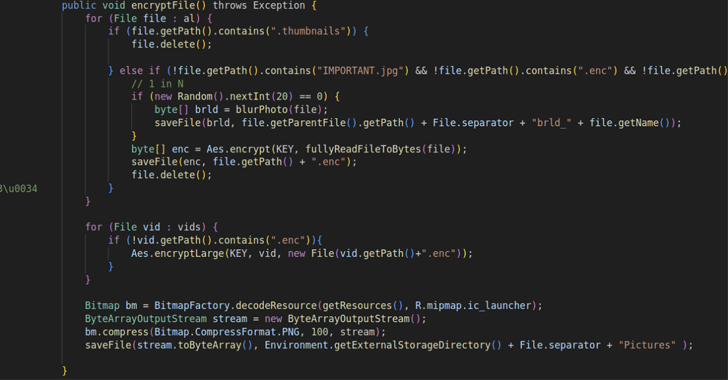
An open-source Android remote administration tool known as Rafel RAT is being used by a number of threat actors, including cyber espionage groups, to achieve their operational goals by disguising itself as Instagram, WhatsApp, and other e-commerce and antivirus apps. Check Point stated in an analysis released last week that "it gives malicious actors a powerful toolkit for remote administration and control, enabling a range of malicious activities from data theft to device manipulation." It has many features, including the capacity to erase call logs, wipe SD cards, stifle notifications, and even function as ransomware. The Israeli cybersecurity organization previously brought attention to the use of Rafel RAT by DoNot Team read more about Multiple Threat Actors Deploying Open-So...
Threat Actors Increasingly Abusing GitHub for Malicious Purposes
News

Threat Actors Increasingly Abusing GitHub for Malicious Purposes

Because GitHub is so widely used in IT environments, threat actors find it to be a profitable place to host and distribute malicious payloads as well as a useful tool for command and control, data exfiltration, and dead drop resolution. "Using GitHub services for malicious infrastructure allows adversaries to blend in with legitimate network traffic, often bypassing traditional security defenses and making upstream infrastructure tracking and actor attribution more difficult," Recorded Future stated in a report provided to Hacker News website. The cybersecurity company called the strategy "living-off-trusted-sites" (LOTS), a variation on the "living-off-the-land" (LotL) tactics that threat actors frequently use to hide rogue activities read more Threat Actors Increasingly Abusing Gi...
Threat Actors Use Babuk Code to Build Hypervisor Ransomware
News

Threat Actors Use Babuk Code to Build Hypervisor Ransomware

A growing number of threat actors have been seen developing a new type of ransomware that targets VMware ESXi hypervisor environments utilizing the Babuk code that was stolen in 2021. These novel versions appeared between 2022 and 2023, demonstrating a rising trend of Babuk source code adoption, according to a SentinelOne advisory released earlier today. The researchers also claimed that malware tools developed using the stolen source code allowed users to attack Linux computers even if they had the necessary programming expertise to build a working program from scratch read more Threat Actors Use Babuk Code to Build Hypervisor Ransomware.
Threat Actors Increasingly Use Telegram For Phishing Purposes
News

Threat Actors Increasingly Use Telegram For Phishing Purposes

Threat actors who specialize in phishing have started using Telegram more and more to automate their operations and offer a range of services. The research was conducted by Kaspersky cybersecurity experts, who revealed the recent development in a Wednesday alert written by Olga Svistunova, a web content analyst. According to Svistunova, "Phishers build Telegram channels to advertise their 'goods,' via which they inform their audience about phishing and amuse subscribers with polls. The company's phishing kits, GitHub, and YouTube are used to promote links to their channels read more Threat Actors Increasingly Use Telegram For Phishing Purposes. With ReconBee.com Stay ahead of the latest threats with in-depth coverage of cyber attacks and cybersecurity trends, and the latest cyber...